martedì 12 marzo 2013

Lettere persiane


«Come si può essere persiani?» domanda Montesquieu. «Come si può studiare persiano?» mi si domanda a volte.

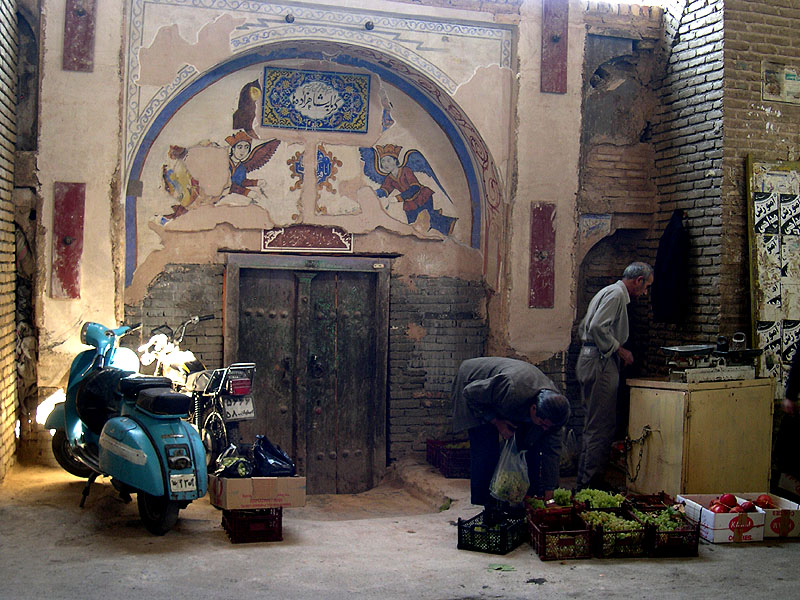
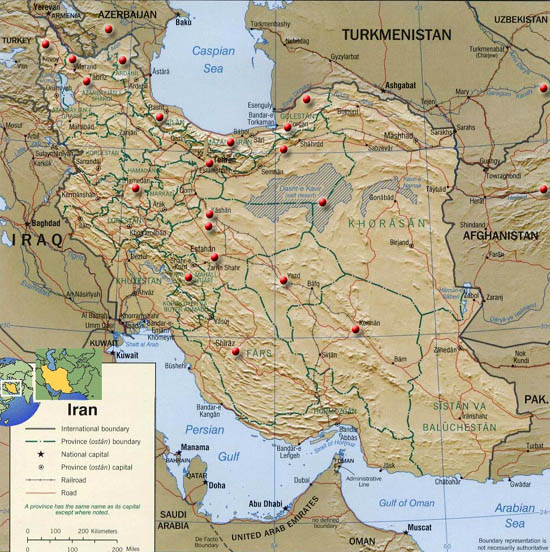
Il francese dell’Oriente. Per mille anni, la lingua della cultura da Istanbul attraverso il Caucaso fino a India, e in molti luoghi ancora lo è; senza di esso non si può penetrare al di là di un certo punto in questo mondo. La lingua della poesia più pura: i poemi persiani sono strutturati dalla musicalità della lingua a tal punto che sono praticamente intraducibili, e ogni tentativo è solo un prosaico estratto del loro contenuto. La lingua della musica: la musica persiana di due e mezzo mille anni è altrettanto sofisticato, potente e coinvolgente come la musica classica europea. La lingua di una straordinaria cultura visuale, della quale, a parte delle miniature, anche i film e foto iraniani fanno testimonianza. Di un paese multinazionale, multiculturale, bellissimo e isolato, della dimensione di un quarto d’Europa, dove solo questa lingua apre le porte e le persone, ma questo li apre davvero.


Kayhan Kalhor (kamance) ed Erdal Erzincan (saz): Gulnîshan (7:01)
Canzone popolare curda, eseguita dallo strumentista del classico kamance persiano Kalhor, e il suo compagno frequente, il turco Erzincan, come un’illustrazione delle molte culture dell’Iran. Dal concerto tenuto nella Sala Vahdat di Teheran.

storia
• Müteferrika in Iran
• Sir Gore Ouseley e il Trattato di Gulistan (1813)
• Sándor Kégl’s Persian journey
• I viaggi persiani di Ármin Vámbéry
• Persian travel sketches by Fedor Karacsay
• Nasreddin Shah in Hungary, 1889
• Ahmad Mirza, the little prince (1909-1925)
• Ahmad Mirza on the bridge of sirat
• Paraphrase of the Shahnameh, 1943
• Beard fashions in Iran
• Elections and manifestations in Iran, 2009
• It’s winter

luoghi
• The chariot of time on Isfahan’s main square
• Bicycles in Isfahan
• The faces of Kashan
• Palazzi dell’epoca Qajar a Kashan e a Shiraz
• Abyaneh, the Red Village
• Ashura ad Abyaneh
• Moschea di villaggio in Abyaneh
• Nomadic butter churn in Abyaneh
• Masouleh, 1975
• The Persian desert
• Gente del deserto • A mineral world
• Vaults of Yazd
• Zoroastrian towers of silence
• The tomb of Queen Esther in Hamadan
• The Bakhtiari village of Sar Agha Seyyed
• Bakhtiari tents
• Khaled Nabi’s cemetery
• Gorgan: Turkoman shepherds and the village of Ziyarat
• Ruinous hammam in Kerman
• Cave dwellings in Kandovan
• Tehran, Behesht-e Zahra cemetery
• Beggar’s fiddle from the Museum of Music
• First day in the school in Mazandaran and Tehran
• Tabriz, the city of treasures
• Conquering the Savalan Mountain
• Armenian monasteries in Iran
• Chiese armene nell’Iran
• “Shepherd’s church” facing the Armenian cemetery of Julfa
• The Armenian quarter in Isfahan
• Damghan, birthplace of the demijohn?
• Qajar influences in 19th-c. Tiflis

natura
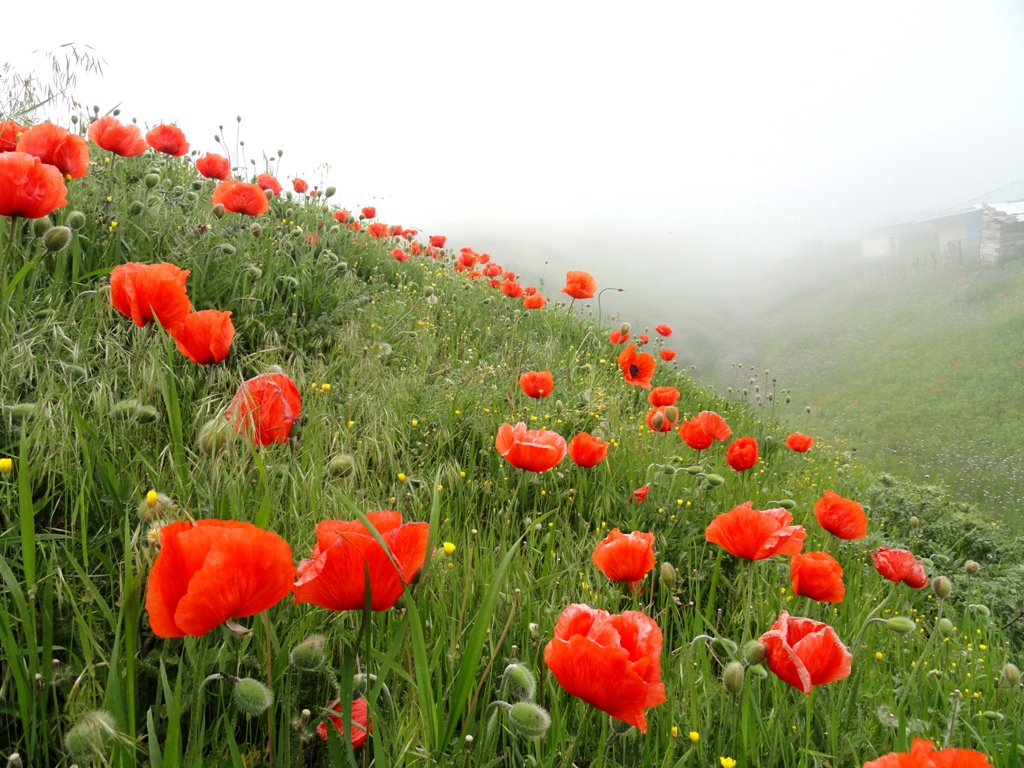
• Spring poppies in the Zagros
• Imperial crowns in the Zagros
• Conquering the Savalan Mountain
traduzioni di poesia
• Mehdi Akhavan Sales: Comets and nights
• Sohrab Sepehri: Direction
• Omar Khayyam: The eternal secret
• Mehdi Akhavan Sales: It’s winter
• Hafez: From the blood of my heart
• Malek o-Sho'arâ Bahâr: Dawn bird
• Hushang Ebtehaj: As strangers
• Shahram Nazeri: Spring lily
• Fereidoun Moshiri: Trust in the spring
• Sohrab Sepehri: Village

musica
• The power of Persian music
• Bakhtiari folk music: Cheshme-ye Kuhrang
• Masoud Bakhtyari: Tey tum rah
• Mahsa & Marjan Vahdat: Gol-e lâle
• Mohsen Namjoo: Name
• Hojjat Ashrafzadeh: Jam-e vasl
• Hossein Alizadeh - Kayhan Kalhor - Mohammad Reza Shajarian - Homayoun Shajarian: Zemestân ast
• Kayhan Kalhor: Night in the desert • Soheil Nafisi: Hame-ye faslân-e donyâ
• Mohammad Reza Lotfi: Vatanam Iran
• Sahrab Tolouie: Tango perso
• Shahram Nazeri: Lâle-ye bahâr
• Shajarian – Kalhor – Alizadeh: Morgh-e sahâr
• Bijan Kamkar & Mastan Ensemble: Gharibâne
• Soheil Nafisi: Shahâbhâ va shabhâ
• Hossein Alizadeh: Horizon
• Sepa va dopa. Dance from Lorestan
• Asita Hamidi: Dokhtar-e Buir Ahmadi
• Freidoun Poorreza – Hossein Hamidi: Naz Bedashteh
• Davood Azad: Rumi + Bach
foto
• Hamid Khurshidi: Shepherds in Gorgan
• Alieh Sâdatpur: Bicycles in Isfahan
• Shahram Sharif: Iranian fragments
• Ehsan Amini and Hamed Masoumi
• Ahmad Kavousian: Masouleh 1975
• Ahmad Kavousian: Gente del deserto • Nasrollah Kasraian: The desert
• Alieh Sâdatpur: Bakhtiari tents
• Hamid Khurshidi: First day in the school in Mazandaran
• Ali Rafiei: First day in the school in Tehran
• Mohammad Javad Martabi: The village of Ziyarat
• Abotaleb Nadri: Brick-making children
• Ali Majdfar and Ardeshir Soltani: Khaled Nabi’s cemetery
• Mansure Motamedi: Flower-sellers in Tehran
• Omid H. Hassan: Tehran in Budapest

miniatura
• Paraphrase of the Shahnameh
• A cup of tea from Isfahan
• Persian Jewish bride and bridegroom portrait

motivi
• Butterfly and candle
• Bird
• Imperial crown and tulip
• Bear cub

lingue e culture iraniane
• Villaggio tat nel Caucaso
• Lahij, the village of Persian border guards
• Lingue del Pamir
• Persian architecture in Tiflis
• The market in Kabul
• Poppy fields in Afghanistan

altro
• A train to Persia
• Venite con noi nell’Iran!
• 30 (and more) reasons to visit Iran
• Happy new year, Persia
• Persian cuisine
• Iran’s secret language, the Russian
• The “five stones” game in Persia
• Sufi
• The origin of sin


Nessun commento:

Posta un commento