giovedì 10 febbraio 2011

Bel mondo vecchio


‘The beer was better,’ he said finally. ‘And cheaper! When I was a young man, mild beer – wallop we used to call it – was fourpence a pint. That was before the war, of course.’
‘Which war was that?’ said Winston.
‘It’s all wars,’ said the old man vaguely.
(George Orwell, 1984, 1.8.)

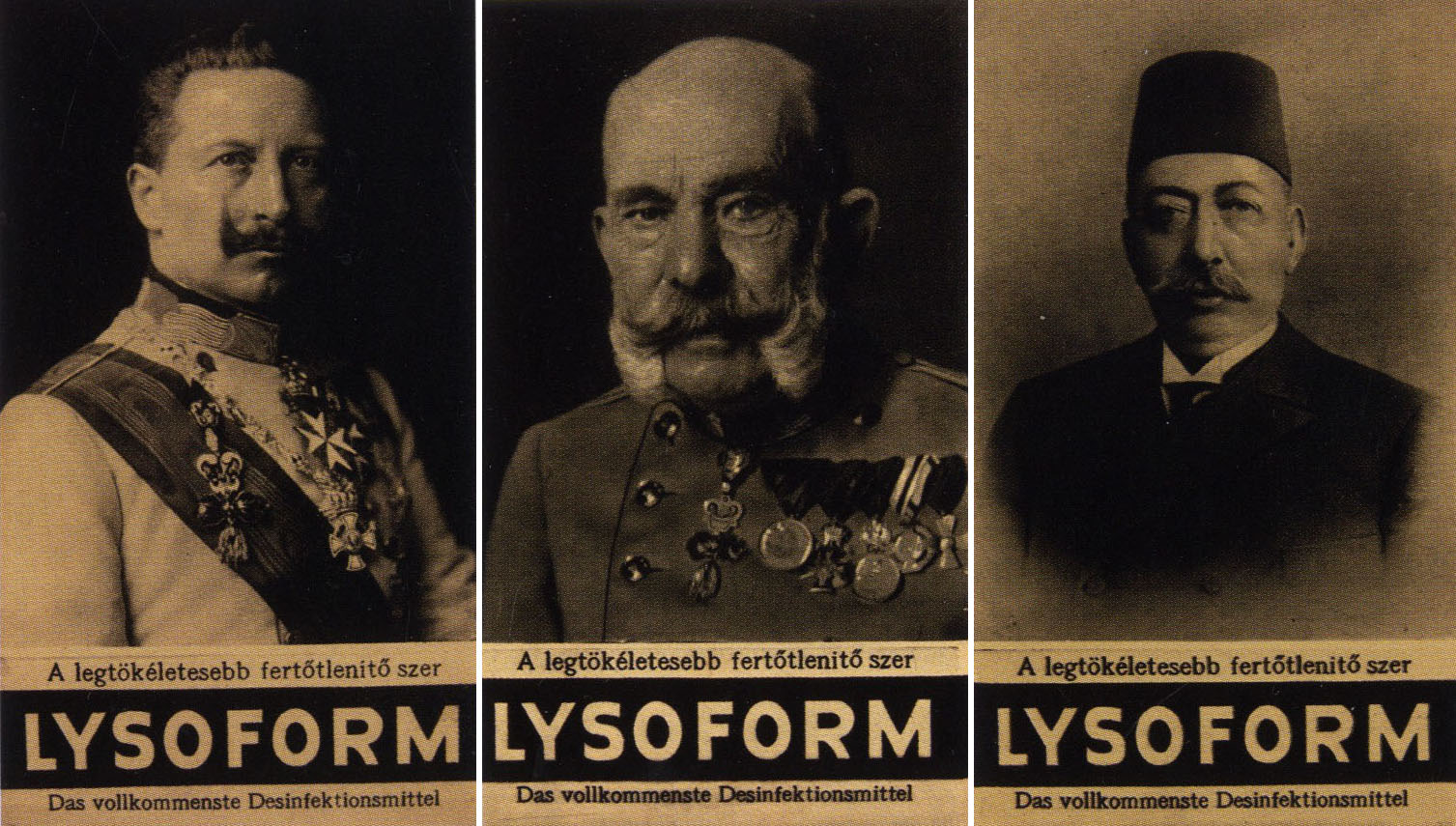
The Hungarian term ántivilág – “ánti-world” – is a complex one, difficult to translate. It is used almost exclusively in the locative form: “in the ántivilág”, where the prefix is the abbreviation for ante bellum, “before the war”. But before which war? Because we have not been short of wars since 1914 when, as an old man told me in the Transylvanian Tibód, “they set ablaze the four corners of the world and it has been burning since ever”. With this term they usually refer to the “happy times of peace” before WWI, whose relative stability and prosperity has been long transcended into a Golden Age in the light – or rather darkness – of the continuous destruction, loss, insecurity, oppression and occupation since 1914. But every war embellishes the bygone peacetime, so the term is also used for the period between the two wars, and even – ironically – for the pre-1989 era of Socialism and Cold War.
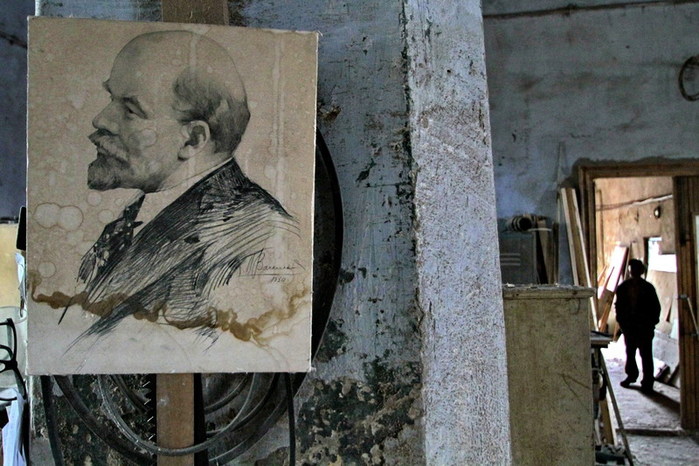
And this already takes us to the other meaning of ántivilág, where the prefix is not interpreted as “ante” but rather as “anti-”, that is the opposite and negative mirror of our world, such as the antipodes living upside down in the southern hemisphere. Ántivilág is not only the world which perhaps was not even true, but also the one in which nothing was true, * the world of manipulation and propaganda. Indeed it is usually the propaganda that creates the anti-worlds proclaimed as the best of all existing worlds, and which at the same time – when looking back or from the outside – exposes in the most absurd way the futility of such efforts.

This concept with a double meaning which – like all past ages – raises nostalgia and aversion at the same time, is translated by us to English as “brave old world” which, besides the feeling of the “good old times” also implies the irony of Huxley’s “brave new world”. We are curious to know how our readers would translate it to other languages.


• Prologue

Belle époque
• The future, a century ago
• Cartes de visite
• The language of stamps
• The first bicycles 1. 2. 3.
• A black man in Hamburg
• Black people in the zoo
• Ghosts on old photos 1. and 2.
   The Austro-Hungarian Monarcy
• The tastes of the Monarchy 1. and 2
• Hawelka in Vienna and Krakow
• Un ristorante in Abbazia
• I, Anna Csillag: ads from Schulz to Hitler
• Beginnings of the Hungarian railway
• The Casino of Kőbánya
• Hundred years of a tree in Kőbánya
• Pharmacies in Kőbánya
• The Golden Eagle Inn in Pest
• Cartolina da Budapest a Firenze, 1900, e la Tabán sparita
• Temperance campaign at the turn of the century
• Shutter labels: Korányi and Fröhlich, Paschka, Sándor Árkai, Czernowitz, Lemberg and Żółkiew
• A former passage in Lwów
• Multi-ethnic house in Lemberg
• Century-old brick graffiti in Budapest
• “King Matthias’ palace” in Kassa, 1899-1943
• Bram Stoker’s hotel in Beszterce
• Vampire-killing sets for a Transylvanian journey
• Hungarian Armenians
• Art Nouveau in Szabadka
• Szabadka 1912-ben, 1. 2. 3. 4.
• An Indian in Szabadka
• The last postcards of the Monarchy – from Odessa
• The Austro-Hungarian army, 1914
   Germany
• Passion play in Oberammergau
• Immagini di vecchie estati
• Un’escursione di Pentecoste
   Britain
• The Oxford Arms Inn and old London
• Ghosts in the photos of old London
   France
• Figures in old photos of Paris
• Henri Roger-Viollet, Paris
• The Luna Park in Paris
• Building and apotheosis of the Eiffel Tower
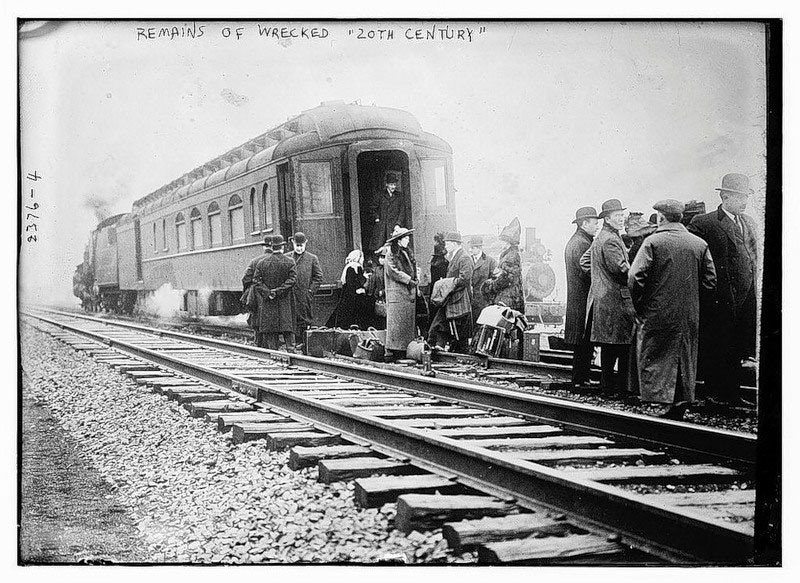
• Train accident, 1895
• The last Tsar in Paris, 1896
• Zuavs in the French colonial army
• The Fifer Boy in the imperial army
• French primer of geography, 1905
• Az 1910-es nagy párizsi árvíz
   Italy
• Childhood of an Italian patriarch
• The first hydrocycle
• The Messina earthquake, 1908
   Spain
• Photos of dead children
• Old Palma in the photos of the Escalas archive
• Palma: The first velocipedists
• Palma: The Born Passage and Edison’s voice
• The rural world of Mallorca
   The Russian empire
• Alexander Roinashvili, the traveler
• Dmitry Ermakov, chronicler of the Caucasus
• Ernest Chantre’s Caucasian photos, 1881
• Flood of the Kura in Tiflis, 1893
• Qajar houses in Tiflis
• Ivan Boldyrev: Don Cossacks, 1875-76
• Marriage ad with a balance
• Moscow’s fire brigades 1. and 2.
• Constructing the Trans-Siberian Railroad
• Sakhalin, 1894-1905
• Bike on the dacha
• Three Russian family photos from Ekaterinoslav, 1914
• Three generations on Russian photos
• Russian photos from Odessa
• Culture of Odessa in the early 20th c.
• The blossoming and end of Jewish Odessa
• The Russian army, 1892
• Russian sailors at the Messina earthquake, 1908
• Moscow in 2259
• Russian slides by František Krátký, 1896
• The coronation of the last Tsar, 1896
• The last Tsar in Paris, 1896
• The last day of the peace
   The Ottoman empire
• An Ottoman shoebox
• Damascus anno
• Photographers of the East
• Turkish-Hungarian friendship
   The Persian empire
• Ahmad Mirza, the last Qajar Shah
• Sándor Kégl, Iranian scholar
• Qajar houses in Tiflis
   The Heavenly Empire
• Studio Po-Chou, Hong Kong, 1897-ben
   Jews
• Yinglish shop label in New York

Great Games
• The Gulistan Treaty
• The exiles of the Boer war

The Great War
• The attempt in Sarajevo in the Russian press
• The cut photos of the attempt in Sarajevo
• To My Peoples
• Soldiers’ trains 1. és 2.
• Cartoline rosa dalla fronte a Óbuda per sei anni, 1.
• The Europeana 1914-1918 project
• Conquering eveywhere. War ad of the Pathé Brothers
• Versions of the “pointing” recruiting poster
• British and Russian children’s propaganda
• German military children’s books
• Preparation for the war with paper soldiers
• Bathing little Venus, delight of children soldiers
• Krampus and red devils on the front
• Soldiers’ cemetery in the Carpathians (Tatariv)
• An evangeliary from Galicia
• The Jews of Podhajce greeting Archduke Frederick, 1916
• The Jews of Kolomea greeting Charles IV, 1917
• Generals in Lemberg’s Café Sztuka
• Statues of Hungarian and Romanian heroes in the Carpathians
• Songs from the two banks of the Isonzo
• Austro-Hungarian artillery in the Holy Land
• The five graves of Captain Truszkowski
• Jews in WWI. Exhibition of the Vienna Jewish Museum, 2014
• Jewish military cemetery at Gorlice
• Kraftwagenpark 505: German soldiers in the Holy Land 1. and 2.
• People of Véménd in Béla Hernai’s photos, 1916-1918
• Christmas greetings by Russian POWs to Sándor Kégl
• Photo cut in two in Valenciennes
• Merry-making at the news of Russia’s withdrawal from the war

Strange peaces
• New borders in Europe
• The Hutsul Republic
• Una scuola alla frontiera: Temesvár/Timișoara
• Stemma ungherese sul parlamento croato, 1918
• The Moravians in Hultschin, who said no to Czechoslovakia
• Plebiscito falso su Subcarpazia

The Mexican revolution
• The Casasolas, chroniclers of the revolution
• Songs of the revolution
• José Guadalupe Posada, drawer of the revolution
• Holy pictures of the revolution

The world revolution
• Photos of the February revolution in the Dicescu collection
• Retouched postcards of the February revolution
• True pictures of the October revolution
• Vladimir Fedorov’s revolutionary cartoons, 1917
• Lenin’s Transylvanian bodyguard
• The fate of an officer’s family
• Fleeing Russia
• The birth of the Soviet Union and the Council of People’s Commissars
• Eugenetics in the Soviet Union
• Boris Kustodiev’s processions
• Boris Kustodiev’s great leap
• Mayakovsky, lighthouse of the revolution
• World revolution for children
• Day of Birds and other parades
• The NEP period and its songs, 1921-1928
• Soviet Photo, 1926
• Yuri Yeremin: Moscow, 1926
• Branson De Cou: Moscow, Peterhof, Tsarskoe Selo, Odessa, 1931
• Ilya Ilf, Russian and American photos
• Kommunalki
• Two New Year photos from Russia
War against the alcohol
• Hungarian and French campaign at the turn of the century
• Soviet temperance posters, 1920-1991
• Say no! Metamorphoses of the poster of 1954
• Polish temperance posters
• With temperance posters against Coca-Cola
• With luboks against the alcohol, 1989

Between two wars
• The golden age of Hungarian photography
• Hassids in Subcarpathia
• Polish Jews: Alter Kacyzne
• Polish Jews: Roman Vishniac
• Polish Jews: Menachem Kipnis
• Kipnis’ cantors
• The Al Capone of Tarnów
• Jewish quarter in old Lwów
• Yiddish shop labels in Lwów
• Places of mezuzahs in Lwów
• Old book posters from Lwów
• Postcards of Rosh Hashana
• Photos of the Czech priest Josef Baťka from the New World
• Picture cathecism according to the Bernadette method
• French family photo with a blacksmith’s workshop
• Father and son in Buenos Aires
• The Görlitz railway station in Berlin
• Willy Römer’s photos on Berlin’s craftsmen in the 1920s and 1930s
• Buhse, the shoemaker, by Gabriele Tergit, with a photo by Willy Römer
• Organ grinders in Berlin
• Organ grinders in Budapest
• Old Serbian Gypsy musicians
• Wilhelm Miklas in Budapest, 1937
• Paleo-GPS’s from the 1930s
• Tango’s golden age: Carlos Gardel
• Pyotr Leshchenko and Russian homesickness
• Bohemian world in Bucharest
• Misery in Bucharest
• Balance of a hundred years in Bucharest
• Who was Essad Bey?
• Lenin, Hitler and the children
• Mussolini, Perón, Franco and the children
• Germany and the Soviet Union in the Paris world exposition of 1937
• Warsaw, a week before the war

The Spanish civil war
• The last 13 hours of Lorca’s life
• The conquest of Potes
• Franco, the friend of the children
• Bullfight at Stalingrad

The Great Terror
• Waiting for the execution • Exploding the Church of Christ the Savior, 1931 and the photo of Ilya Ilf on it
• Crimean Tatars on the photos of Husein Bodaninsky, 1920-30s
• God is great and I’m not. Soviet monumental statues
• Lenin head in the Altai
• Lenin statues on imperial bases
• Drawings of Soviet prisoners on Lenin
• The Russian Beobachtung, 1935
• The snake in German-Soviet propaganda
• 1 May 1935. Color film by Nikolai Ekk
• Voyage from Tula to Moscow for 7 November 1937
• Jean Abbe, photographer of dictators
• Good wishes for Stalin’s birthday, 1939

Drang nach Osten
• The SS officers’ housing estate of Krumme Lanke
• The ideal Nazi family
• Holidays in Nazi Germany
• Nazi May Day, 1933
• Anna Csillag, Hitler’s master
• Nobel Peace Prize for Hitler
• Hitler in the Jewish cemetery of Bucharest
• Jew-cleaning game in Vienna
• Kristallnacht, destruction of the German synagogues and On the 75th anniversary
• Apotheose of Marechal Pétain
• Eiffel Tower, 1940
• Soldatenkaffees in the occupied Paris (and elsewhere)
• German policemen with Black POW
• German soldiers’ photos from the Warsaw ghetto
• Memorial to the Nazi liberators
• The German Kharkov
• Johannes Hähle: Kharkov, Lubny, Baby Yar
• The last fresco of Bruno Schulz
• Drohobycz and the world
• Lemberg’s destroyed synagogues
• The Janowska death camp in Lemberg
• Birth of the Tango of Death
• Paesaggio intorno a Belżec nel 1936 e 2014
• Tale on the Roman ghetto
• The Generalgouvernement’s birthday, 1941
• Easter 1942 in the occupied lands
• An ordinary day in German Kiev, 1942
• The “Death Match” of Kiev, 1942
• The lies of BBC on the Death Match of Kiev, 2012
• Blooming and destruction of Św. Józef in Galicia

War phrasebooks
• War phrasebooks
• Russian phrasebook to the occupation of Estonia, 1940
• German-Russian phrasebook for a preventive blow, 1941 and a confirmation article on the same
• German-Russian mechanical dictionary, 1940(?)
• Russian-German phrasebook for the Wehrmacht
• Russian-German phrasebook with Nazi feast days, 1942
• Russian primer for German soldiers, with prisoners’ camp
• A patriotic Polish-Hungarian dictionary, 1940
• Romanian primer for the returned Transylvania, 1940
• Hungarian-Russian phrasebook on requisition, 1942
• Hungarian phrasebook for the Soviet liberators
• Belgian phrasebook for the English liberators

The non-war (1939-1941)
• Polish-German, two good friends, 1933-1939
• Occupation of Lwów, 1939
• Soviet-Nazi parade in Brest, 1939
• German and Soviet films on crushed Poland
• On Stalin’s birthday, 1939
• Dovzhenko’s Bukovinian propaganda film, 1940
• Cernăuți 1939 – Черновиц 1940
• This was – this became. The Estonian government, 1940
• Soviet-German poster for the bombing of London

The Great Patriotic War
• Yevgeny Khaldei’s war photos
• Triangular soldier’s letters
• Song on Katyusha
• Children in the war
• The hero cats of Leningrad
• Destroy King Kong!
• Parade of captive German soldiers in Moscow, 17 July 1944
• Greetings from Trenčín
• Triumphal graffiti on the Reichstag
• Soviet soldiers’ graves

The world war
• Finn video with mistaken map, 1939
• Secondary use of military maps
• Italian soldier at the Don
• British leaflets in Iran on the model of the Shahnameh, 1943
• Soviet and German safe-conducts
• German, Italian, Soviet illustrated front postcards
• Nazi demotivator leaflets for American and British soldiers
• Japanese war kimonos
• Souvenir of Hiroshima
• Robert Capa’s photos on D-Day
• Meeting at the Elbe, 25 April 1945
• Boris Kobe’s lager card from Dachau, 1945
• Mine-free ghost inscription in Vienna

Hungary in the war
• Visiting in 1939 the returned Huszt and in Kőrösmező
• Pictures of the Kőrösmező railway station
• Memory of the Jews deported in 1941 to Kamenets-Podolsk in Kőrösmező
• Romanian primer for the returned Transylvania, 1940
• Hungarian scout on the front
• Our man on the Russian front
• Lonely gravepost in Nagykónyi
• A poet going to forced service
• The Bor Notebook by Miklós Radnóti
• Yellow-star houses, Budapest 1944
• La casa di stella gialla di Marcell Komor
• Hand-drawn Russian front postcards
• Don. A tragedy and its afterlives
• Photos of Zoltán Marics from the Don Bend
• Hungarian soldiers in Danemark, 1945
• Soviet occupation in Csömör
• The day of the dead
• Mine-free ghost inscriptions in Budapest

La Resistenza
• Bella ciao
After the War
• After siege: Stalingrad and Budapest
• After siege – sixty years later
• The blown-up Elisabeth Bridge
• The blown-up Marguerite Bridge
• Organ grinder in Kígyó Street
• Lwów depolonized
• Radio Lwów, Radio Breslau
• The Nazi elefant and more
• Deportation of the Germans from Southern Bohemia
• The abandoned cemetery of Ottau/Zátoň

The Cold War
• Stamp in Imogen Cunningham’s passport

War on the front of the peace
   The Soviet Union
• Russian-Nanay two good friends
• Village lunch on Lake Baikal, 1978
• The Soviet radical absurd
• I don’t speak for all Odessa
• Ropeways of the Georgian mining town Chiatura
• The building of the Ostankino tower
• Moscow, 1956
• Jacques Dupâquier: Moscow and Tashkent, 1956
• Viktor Akhlomov, the Party’s photographer
• Flag science. Soviet flags from the Memento Park
• Soviet prison cards, 1967-81
• Saints in the woodworker’s shop
• May Day in Moscow, 1983
• Khayyam brought down to earth
• The Lithuanian school of photography
• The photos of Romualdas Požerskis
• Return of Novruz in Baku
• Santiago de Baku
• Ideal cities and their fall
• Aleksandr Kalion: Province, early 80s
   Central Europe
• La statua di Stalin a Praga (1952-1963)
• Czech provincial trains in winter
• Czech trolleybuses
• “Village radio” in Český Krumlov
• Two poems by Miroslav Holub
• Clematis sociology 1 and 2.
• Košice, Schalkház Hotel
   Hungary
• Soviet officer and his family in Hungary
• Russian first
• Headwaters of the Lenin Song
• Captain Ostapenko’s statue
• On the 60th birthday of Comrade Rákosi
• No maintenance to be paid for minors fleeing the country
• 1956 in Polish TV newsreels
• Sissi film with Hungarian dubbing, 1956
• Prison library
• Traiin accident, 1962
• Playing in the suburbs of Budapest
• Old market in Óbuda
• Brick graffiti in the ELTE
• Bookmobile in Kőbánya
• Statue of Béla Radics in Angyalföld
• History sung
• Do not wait for May
• The sea
   China
• The old Beijing, 1946
• Mao with the Dalai Lama
• Mao lives. Photos by three generations
• John Dominis’ photos in the socialist China
   Vietnam
• Vietnamese leaflets for American soldiers

The Islamic revolution
• Restaurants of dictatorships
• Political message of beards
• Elections in Iran, 2009
• It’s winter
• Shajarian: Dawn bird
• The dawn gives news

Brave new world
• Songs of changes of regimes
• Viktor Tsoi and the golden city
• Night of the bards
• Pulling down the Dzherzhinsky statue in the Lubyanka
• Autumn in Baku, 1989
• The two bear cubs
• The museum of censorship
• Tbilisi, a city in-between
• Steampunk Budapest from the future
• Destroying poppy crops in Afghanistan

After the turn: Russia
• Abandoned Russian villages 1. 2. 3. 4.
• Aleksandr Sennikov’s nostalgic Soviet still lives
• The poetry of decay
• Service day and night
• Front fighter’s vodka after Nazi model
• The Nazi model of the Russian great family
• Lenin, Marx, Putin
• Crisis calendar in Mayakovsky’s style
• Anti-Coca-Cola calendar in the style of old Soviet posters
• Patriotic War against Coca-Cola
• Multi-ethnic Russia, 2011
• Reality show. Putin and Medvedev’s breakfast
• Russian elections, 1. and 2.
• The new cult of Stalin
• Pro-Stalin Russian graffiti in Simferopol
• Stalin’s church cult in today’s Russia
• Apocryphal icons in modern Russia
• Katsap and khokhol. Russian-Ukrainian nicknames
• Nicknames of other peoples
• May Day 2014 for Putin and the Soviet Union
• Boycott, August 2014: the food which disappeared

After the turn: Ukraine
• The Ferenc Mine in Solotvino
• Glory to Ukraine. Nazi pub on Lemberg’s central place
• Hitler, friend of the Aryan Ukraine
• Kiev’s Maidan on the night of the revolution
• Pulling down Lenin’s statues in the Ukraine
• Trizuby Stas: Twelve communists. Song for pulling down Lenin’s statues
• Yanukovich, lover of old books
• Tragedia a Odessa, 2 maggio 2014
• Parade in Donetsk with captive Ukrainian soldiers, 24 August 2014

After the turn: Central Europe
• Slovak mistranslations on Hungarian statues
• War songs in the Balkans once and now
• Red sludge of forty years
• Conspiracy of the two-tailed in Mallorca and Prague
• Budapest: 2013, the crisis is over!
• Tsar of the champagnes: the Soviet champagne
• Magic crown in Dunakeszi, Hungary
• Nokia box and Cola Cao
• Time has stopped in Lwów
• Hungary, great power in fooball, 2014

Il decadente Occidente
• Attila, the hero of Tulln
• London, May Day 2014

In search of lost time
• A house in Krakow
• A door on the Grodzka
• A door on the Krisztina boulevard
• The memory of walls
• Un ristorante in Abbazia
• Yiddish shop labels in Lwów
• The cemetery of Czernowitz
• The Calatrava
• Siphon bottles of a childhood
• Negozio chiuso da lungo a Kőbánya
• House number from 1940-44 in Aknaszlatina
• Ghost inscriptions in Prague’s Lesser Town
• Century-old Otta Soap ghost ad in Prague
• Metamorphoses of the Golden Angel in Prague
• Sursum corda
• On the Dam of Eternity


domenica 28 novembre 2010

Transizione: Vecchi signori

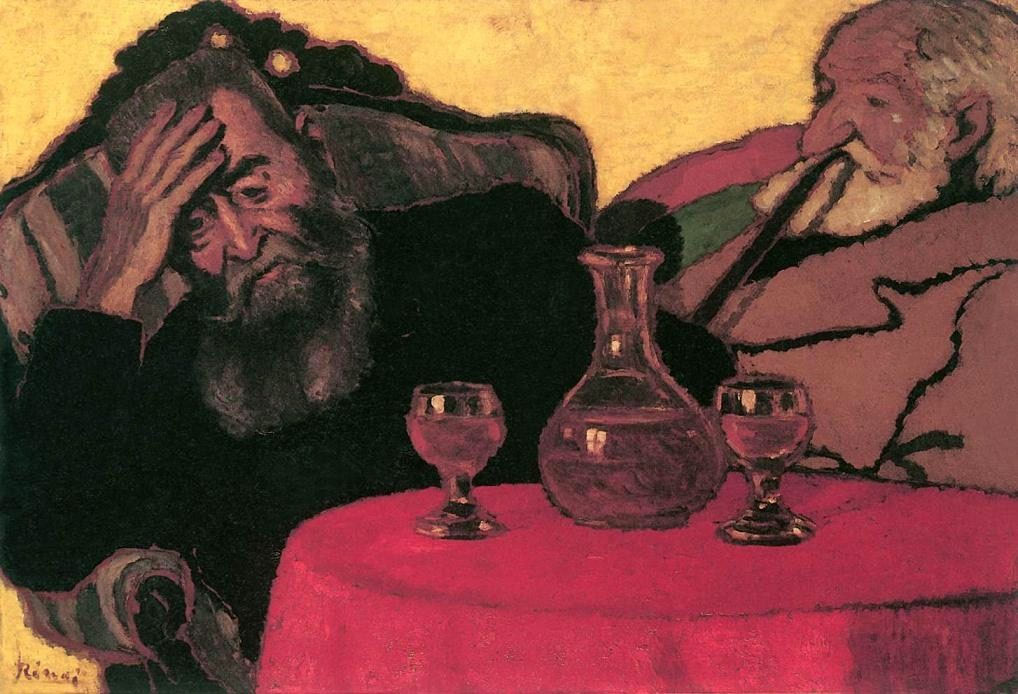
József Rippl-Rónai: Mio padre e lo zio Piacsek con vino rosso, 1907

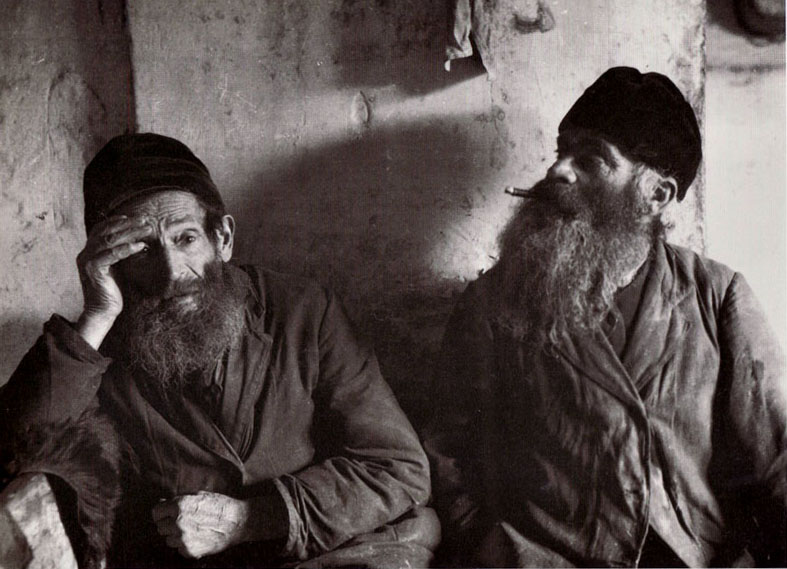
«Byale (Biała Podlaska, provincia di Lublino), 1926. Padre e figlio. Per proteggersi dal Male,
Leyzer Bawół, il fabbro non mi dirà quanti anni ha, ma deve essere più di cento. Ormai
suo figlio continua il mestiere, e il vecchio è diventato un medico. Mette
a posto braccia e gambe rotte.» Foto di Alter Kacyzne

sabato 14 agosto 2010

Scrittura di luce

lunedì 12 luglio 2010

Esperidi

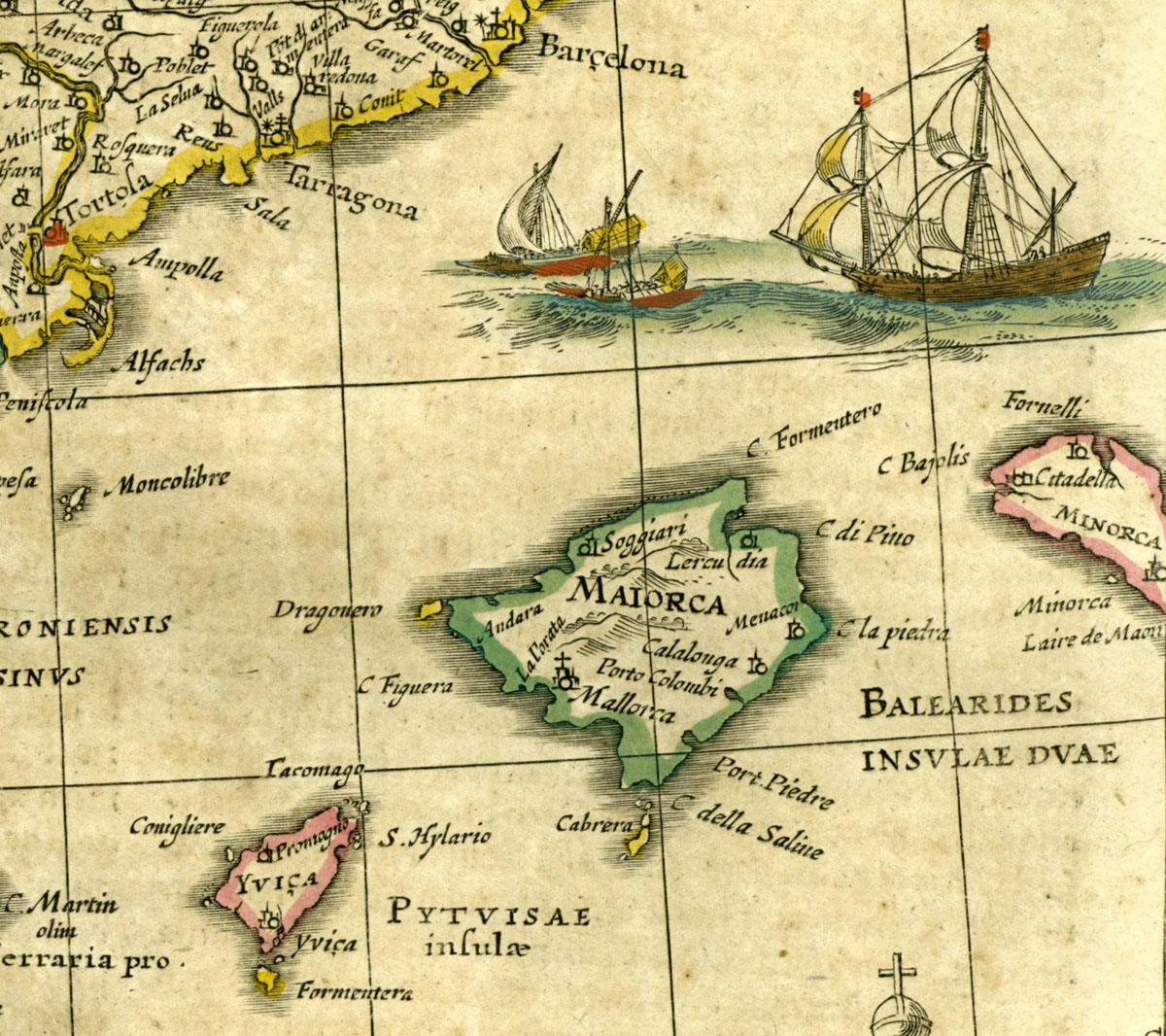
Maiorca e le Isole Baleariche dall’Atlante di Janssonius


Odysseus Elytis: Ο Ήλιος ο Ηλιάτορας
(The Sovereign Sun). Music by Dimitris Lagios, sung by Giorgos Dalaras (1982). First piece: The Song of the Sun


Εσείς στεριές και θάλασσες
τ' αμπέλια κι οι χρυσές ελιές

ακούτε τα χαμπέρια μου
μέσα στα μεσημέρια μου

«Σ' όλους τους τόπους κι αν γυρνώ
μόνον ετούτον αγαπώ!»

Από τη μέση του εγκρεμού
στη μέση του αλλού πελάγου

«Σ' όλους τους τόπους κι αν γυρνώ
μόνον ετούτον αγαπώ!»

Με τα μικρά χαμίνια του
καβάλα στα δελφίνια του

με τις κοπέλες τις γυμνές
που καίγονται στις αμμουδιές

«Σ' όλους τους τόπους κι αν γυρνώ
μόνον ετούτον αγαπώ!»

•
You rocks and seas
vines and golden olives

hear my word
as I follow my course:

I turn above all places
but I love this only one!


At the middle of the universe
among all the islands of the sea

I turn above all places
but I love this only one!


With its little rascals
riding on dolphins

with its nude girls
laying on the seashore:

I turn above all places
but I love this only one!
Palma
• The City
• The old Palma in the Escalas photos
• The first velocipede in Mallorca • The Born promenade and Edison’s voice • Columns of the mosque
• The Arabitch Bath
• The Jewish quarter
• L’«orologio degli ebrei» sulla facciata del municipio (es)
• Patios of Palma
• Electri city
• Doors of La Calatrava
• Library of La Real
• Rodin in Mallorca
• The dragon of Mrs. Coc
• Hidden dragons
• Double-tailed plot
• Biblioteca de Babel:
The house of my friend

• Wang Wei looks out
of his studio

• Snowfall in Palma
• Restaurant Las Olas
• The Basque restaurant Bodega Santurce
• Bull’s tail
• El Molinar neighborhood
• Milenium bicycle shop
• Amor en Palma
• St. Anthony blessing the animals, 2009
• Sant’Antonio benedice gli animali, 2014
• La processione dei demoni nel giorno di Sant’Antonio
• On St. Sebastian’s feast
• Sausage roasting on St. Sebastian’s day
• Erasmus and St. Christopher
• Yin-yang of St. Nicholas
• Roman and Chinese flowers in Mallorca
• Palma International
• Holy Week in Palma
• Processione di Venerdì Santo
• Compression
• Palma’s concrete coasts
• Guts
• Martian chronicles
• Typo
• History
• After the feast
• Night
• Addio

The Islands
• Cabras, dragones, liebres
• Sailing to Cabrera
• Cabrera: the way to the peak
• Serra de ses Figueres
The Western Mountains
• Golden apples
• More golden apples
• Pebbles of Port d’es Canonge
• The Governor’s Turn
• The Postman’s Path
• Deià
• The Ermita de la Trinitat
• The cats of the Tower
of the Souls

• Lighthouses
• Spring in San Telmo
• Escorca
• Sacred mountain

• Chapel of Sant Llorenç

The Eastern Hills
and the Plains

• Arab wine from Butibalausí
• Fires of St. Anthony
• The Albufera
• Choking ants’ nests
• Pollença
• Some more Pollença
• Sineu, Chinese colony
• Sineu, Beijing time
• Giants in Santanyí
• Algaida, dance on the
feast of St. James’

• Llucmajor, roof tiles
• Hermit cats
• Seashore of Ses Covetes

the rest
• Journey to Mallorca, January 2014
• The first olive oil from Mallorca
• Nokia box and Cola Cao
• Absurd poetry of the Balearic Government
• “Balearic languages”
• The beginnings of book printing in Mallorca
• Goose Game 1652
• Playing with bones
• Memory of James the Conqueror
• Rolevinck’ Fasciculus temporum
• The demon of speed
• Sea for sale. Llonovoy
• Portuguese dance
• Happiness
• Agua


View Poemas del Río Wang in a larger map

martedì 4 maggio 2010

Bestiario


omnis mundi creatura
quasi liber et pictura
nobis est et speculum

del mondo ogni creatura
è un libro e una pittura
e uno specchio per noi

Alanus ab Insulis
(1128-1202)


l’uccello
• Space for flying
• God-bird 1
• God-bird 2
• God-bird 3
• Chinese magpies
• Persian thrust in Budapest
• Uccello armeno a Venezia
• canari bird in London
• Owl above the olive trees
• Waiting for you, comrade bird

l’usignolo
• Sephardic nightingales
• Singing for the second time
• Singing for the third time
• The prisoner’s romance
• The zorzal
• Morning bird

il gallo
• The rooster is crowing
• Crowing for the second time

il corvo
• Grow a crow

il piccione
• Piccione urbano a Praga

la farfalla
• Heavenly and earthly love

la tigre
• Tiger’s Year in Budapest
• Paper tiger

i dodici animali
• The great circle of time
• Circular time
il cane
• Dogs of God
• The Trastevere’s dog
• Lupus in tabula
• Dogtours
• Dogs of Sant Antoni
• Sailor dogs
• Semiramis’ dogs
• Estonian military dogs
• Dog on board
• Frat dogs of Istanbul
• Double-tailed dogs in Palma
• Basket

l’orso
• Bear cub
• Bear hunting
• Hunter’s equipment
• The bear fires back
• Bear ceremony in Moscow
• Wandering bear
• The Bear King
• Little and Great Bear
• Wine to the Two Bears
• The two envious bear cubs
• The Hungarian and his bear
• Bear cave
• Fox Tale

il lione
• The educated lion
• Lioness in Odesa
• The lion’s tail
• Double-tailed lion

e l’agnello
• Agnus Dei

capre del mondo!
• Gorgan
• Chongqing
• Mallorca, West
• Mallorca, North
• Mallorca, South
• Istanbul
• The Holy Land
• The Goat Island

l’asino
• Bookmobile

la scimmia
• Monkey’s love
• Kill King Kong!

la volpe
• Fox Tale
• The fox and the cheese
• The fox and the mouse
il gatto
• Muska
• Yoshka
• Hero cats of Leningrad
• The Muromtsev Dacha
• Cat funerals
• Chinese cats
• Cats in Mallorca
• Cat in Cantabria
• Argentine cats
• The Cat Bride
• Man with a Cat
• The wind-swept spirit
• Il pianeta dei gatti

il coniglio
• Rabbit in the moon
• Year of the rabbit

l’elefante
• Czech elephant
• Chinese elephant
• Argentine elephant
• Portuguese elephant
• Nazi elephant

il rinoceronte
• 0. Rhinocerology
• 1. The Pope’s rhinoceros
• 2. Rhino on the reverse
• 3. The first litter
• 4. The truth suppressed
• 5. A distant relative
• Bookmobile

il drago/serpente/coccodrillo
• Dragon invasion
• Hidden dragons
• Terra Sancta
• Dragon anatomy
• Il serpente sugli affissi politici
• Il dragone di Shaun Tan a Venezia
• Blogger

il pesce
• Little and big fishes
• The big fish

la balena
• Leviathan, or, The whale

il mostro
• Pantagruel’s monsters
• The monster of Anatolia

la formica
• Ant marries

il grillo/la cavalletta
• Like the cicada
• Winter grasshoppers

l’insetto
• Apotheosis of the bookworm


giovedì 8 gennaio 2009

La lingua più divertente del mondo

Nel post sulla storia di Bella ciao ho accennato all’eccellente sito di Riccardo Venturi, che vi ha raccolto le più popolari canzoni contro la guerra, accompagnate da traduzioni in varie lingue e da abbondanti documenti di storia e di stampa. Poco più tardi Riccardo mi ha fatto l’onore di includere nel suo sito la traduzione letterale di Bella ciao dalla versione ungherese del post, introducendola con delle parole calorose.

Ma la vera sorpresa è seguita dopo. Quando l’ho ringraziato – in italiano – e gli ho mandato l’indirizzo della versione inglese del post perché sicuramente avrebbe potuto essere capita da molti più lettori rispetto alla versione ungherese, Riccardo mi ha risposto in ungherese:

Szívesen köszönöm az egész munkádért a szép blogodon. Én is elfogadom, hogy az olvasók többsége könnyebben olvashat angolul, de én a magyar nyelvet mindig jobban szeretem, mint a “világnyelv”… Elkezdettem magyart tanulni 16 éves korában én részrehajló vagyok :-) Minden esetben remélem, hogy a blogod és a honlapom a jövőben is a magyar és olasz néphagyományok tanulmányáért és történetéért közreműködhetnek!

(Un ringrazio affettuoso per tutto il tuo lavoro nel tuo bel blog. Anch’io ammetto che la maggioranza dei lettori possa leggere con più facilità in inglese, ma ho sempre preferito l’ungherese alla “lingua del mondo”… All’età di 16 anni ho cominciato a imparare l’ungherese, e così sono parziale :-) In ogni caso spero che il tuo blog e il mio sito possano collaborare anche nel futuro per lo studio e la storia delle tradizioni popolari ungheresi ed italiane!)


Già il fatto che un ragazzo italiano di sedici anni scelga fra le migliaia di alternative proprio questa lingua estremamente difficile e di limitata utilità è abbastanza improbabile. Ma che poi arrivi a questo livello di perfezione – ovviamente con un bella dose di diligenza e di talento – è addirittura incredibile. Interrogato sulle cause della sua scelta, Riccardo ha risposto questo:

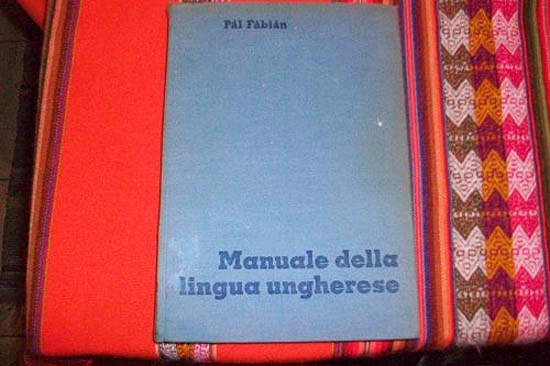
A magyar nyelv két legfontosabb szava: szerelem és szabadság. Mikor 16 éves voltam, voltam mint minden 16 éves: romanticizmus, elmezavar, eredetiség, “én-nem-vagyok-mint-a-mások” zűrzavara...s a többi. Továbbá a határtalan nyelvszerelmem volt, mert a nyelvek, mint mondta a híres olasz keleti nyelvész Alessandro Bausani, “a világ legszebb játéka”. Egy firenzei könyvesboltban Fábián Pál magyar nyelvtanát (“Manuale della lingua ungherese”) láttam meg, és a magyar nyelv a hihetetlen szerkezetével elbűvölt engem; de sajnos nem volt pénzem vásárolni, túl drága volt. Két honapot várnom kellett, és a napon, mikor a szükséges pénzem volt, buszsztrájk volt. Jól, hazámból a könyvesboltba gyalog mentem, hogy vásároljam: nyolc kilómeter. Szerelem első látásra. A magyar nyelv nem “nehéz”: különböző, másféle. Az elméjét különböző gondolatmódra, gondolatszerkezetre készteti; és a különbözés szabadság. Megtanultam és beszélek más nyelveket, de a magyar még kedvenc játszótársam, a világ legszebb, legszabadabb és legszórakoztatóbb nyelve. A szerelem és a szabadság nyelve.

(Le due parole più importanti della lingua ungherese sono: amore e libertà. All’età di sedici ero come tutti i sedicenni: in una confusione di romanticismo, follia, originalità, “non sono come gli altri”… eccetera. E poi c’era l’irrefrenabile amore verso le lingue, perché le lingue, come disse il famoso orientalista italiano Alessandro Bausani, son “il gioco più bello del mondo”. Ho scoperto in una libreria fiorentina il Manuale della lingua ungherese di Pál Fábián, e la lingua ungherese mi ha completamente affascinato con la sua incredibile struttura. Però, purtroppo, non avevo i soldi per comprarlo, costava troppo. Ho dovuto aspettare due mesi prima di avere i soldi, ma proprio quel giorno c’era sciopero degli autobus. Bene, sono andato a piedi da casa alla libreria per comprarlo: otto chilometri… Amore a prima vista. La lingua ungherese non è “difficile”: è differente. Apre la mente a un differente modo di pensare, a delle strutture mentali differenti. E la differenza è libertà. Ho imparato e parlo anche un paio di altre lingue, ma l’ungherese è tuttora il mio preferito compagno di gioco, la lingua più bella, più libera e più divertente del mondo. La lingua dell’amore e della libertà.)


Pál Fábián, Manuale della lingua unghereseFábián Pál magyar nyelvtana (Budapest 1970, Tankönyvkiadó) az asztalomon, 30 év után... :-)
(La grammatica ungherese di Pál Fábián [Budapest 1970, Editore Libri Scolastici] sul mio tavolo, dopo 30 anni… :-) )

Anch’io mi ricordo bene di questo libro, con cui una volta ho insegnato, anzi due volte, e tutt’e due volte senza successo. Il mio primo studente è stato un ufficiale dei carabinieri molto simpatico, di Torino, nel mezzo del cammin fra i venti e trent’anni, che si era avvicinato a noi spinto dall‘attrazione per una ragazza ungherese, figlia di un famoso etnografo e studentessa al dipartimento di italiano. Alla fine degli anni ’80 una relazione ungherese era considerata un rischio per la sicurezza dello stato, e il ragazzo – con una carriera molto promettente dopo parecchi anni di servizio – è stato messo davanti a una scelta dai suoi superiori: o la ragazza o la professione. Ha scelto la ragazza. E dopo nemmeno sei mesi di studio dell’ungherese, la ragazza ha scelto qualcun altro al posto suo, mandandolo a casa perché cominciasse una nuova vita, la migliore che potesse.

La seconda volta abbiamo cominciato il libro con Bobo, il mio amico sardo-pratese, che negli anni ’90 ha trovato un’avventura eccitante aprire un caffé italiano a Budapest. Però questa è stata una breve parentesi. Bobo si è smarrito verso la terza lezione, nel corso dell’analisi morfologica della frase Hol vannak az amerikai turisták kocsijai? (“Dove sono le macchine dei turisti americani?” – in ungherese una costruzione un po’ prematuramente complicata per un principiante.) Bene, Dio abbia in pace il signor Fábián (è morto in questo settembre), ma se imparare ungherese è già difficile di per sé, allora impararlo di questo libro è addirittura un atto erculeo, per cui Riccardo merita veramente ogni riconoscimento.

Qualche giorno dopo il nostro scambio di commenti, il 6 di gennaio, quando la Befana porta i regali ai bambini, Riccardo ha fatto anche a me l’onore di farmi un regalo. Nella pagina del suo sito dedicata alla canzone Mio nonno partì per l’Ortigara di Chiara Riondino, ha tradotto in ungherese questa canzone con una dedica personale. In cima alla pagina ha anche incluso un link a una registrazione del canzone con Chiara, ma, dato che questo si può ottenere solo tramite diversi passaggi, qui sotto includo un link diretto.Chiara Riondino, foto dal sito di Riccardo Venturi


Chiara Riondino: Mio nonno partì per l’Ortigara, registrazione fatta  in occasione all’evento organizzato dalla comunità di base fiorentina Baracche Verdi in piazza dell’Isolotto, il 13 di maggio di 2007.

Questa canzone – scrive Riccardo – parla anche di suo nonno, “ragazzo del ’98” che è stato altrettanto derubato della sua gioventù dalla prima guerra mondiale e dagli anni passati nelle trincee delle Alpi italiane, di fronte alle trincee dell’armata austro-ungarica.

In cambio anch’io mando a Riccardo la canzone di mio nonno, “ragazzo dell’88”, cantata negli stessi anni e fra le stesse montagne – però dall’altro lato dello stesso fronte. E, già che siamo, includo anche la canzone del mio altro nonno, che ha servito sul fronte russo, un canzone che è tanto piacciuta ai miei amici russi. Come la canzone italiana, così quelle ungheresi non parlano di nessun odio verso il “nemico”, ma solo di una vita insensatamente sprecata in una guerra insensata.


András Széles: Kimegyek a doberdói harctérre (Esco al campo di battaglia di Doberdò). Dal CD di Tamás Cseh - Péter Péterdi: Magyar katonadalok és énekek a XX. századból (Canzoni dei soldati ungheresi del 20mo secolo) (2000).

Kimegyek a doberdói harctérre,
feltekintek a csillagos nagy égre:
Csillagos ég, merre van a magyar hazám,
merre sirat engem az édesanyám?

Én Istenem, hol fogok én meghalni,
hol fog az én piros vérem kifolyni?
Olaszország közepébe lesz a sírom,
édesanyám, arra kérem, ne sírjon.
Esco sul campo di battaglia di Doberdò
guardo insù verso il cielo stellato:
Cielo stellato, dov’è la mia patria ungherese,
dove sta piangendo per me la mia dolce madre?

Dio mio, dove morirò,
dove si verserà il mio sangue rosso?
La mia tomba sarà nel bel mezzo dell’Italia,
mia dolce madre, ti prego di non piangere per me.


Zoltán Kátai and the Hegedűs Ensemble: Esik az eső, ázik a heveder (Cade la pioggia, la bardatura è umida). Dallo stesso CD. Tuttavia, la versione di mio nonno era molto più melancolica, proprio quella era la sua bellezza.

Esik az eső, ázik a heveder
gyönge lábamat szorítja a kengyel
bársony lekötő szorítja lovamat
nehéz karabély nyomja a vállamat.

Megjött a levél fekete pecséttel:
megjött a muszka százezer emberrel
kétszáz ágyúval áll a harc mezején
így hát, jó anyám, elmasírozok én.

Jön egy kapitány hófehér paripán
fényes kard csillog annak az oldalán
kardja megvillan, az ágyú mennydörög
szép piros vérem a földre lecsöpög.
Cade la pioggia, la bardatura è umida
i miei deboli piedi sono stretti dalla staffa
una cavezza di velluto stringe il mio cavallo
una mitra pesante pesa sulla mia spalla.

È arrivata la lettera con il sigillo nero:
sono arrivati i russi con duecentomila persone,
con duecento cannoni stanno sul campo di battaglia
perciò, mia buona madre, devo marciare via.

Arriva un capitano su un cavallo bianco
una spada lucente brilla al suo fianco
la sua spada brilla, i cannoni tuonano
e il mio sangue rosso stilla sulla terra.

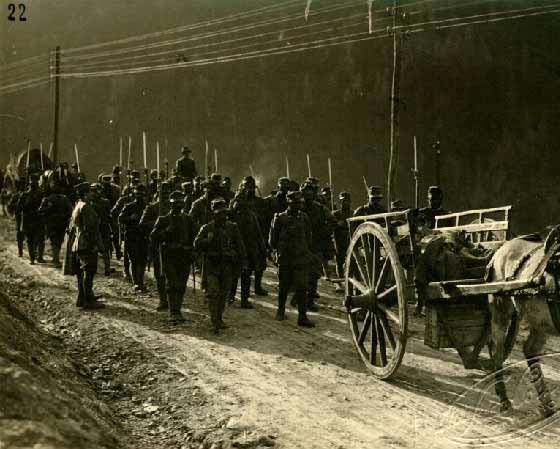
Italia, Doberdò, Prima guerra mondiale: Prigionieri dell’armata austro-ungherese
Tante grazie a Francesca per la revisione del testo italiano.